Wisdom Teeth Removal Side Effects: What’s Normal and What’s Not
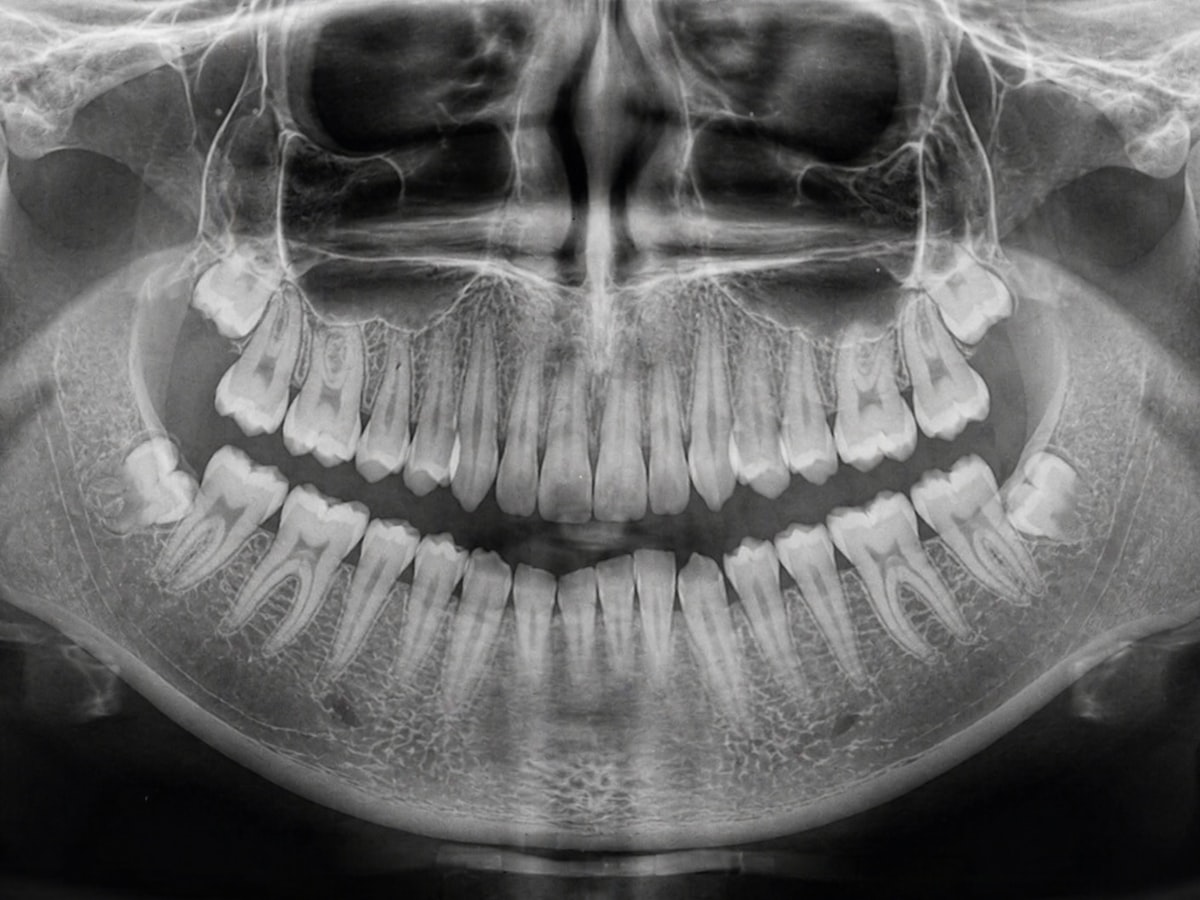
Wisdom teeth removal is one of the most common oral surgeries, yet many patients go into it with only a vague sense of what recovery feels like. They know they will be sore. They expect some swelling. Beyond that, normal healing and genuine complications can start to blur together, especially around day three, when the numbness and sedation are gone and the face in the mirror looks worse than expected.
That uncertainty is understandable. Recovery after Wisdom Teeth Removal is not identical from one person to the next. A healthy 17-year-old with four erupted teeth may bounce back quickly. A 35-year-old with impacted lower wisdom teeth close to the nerve may have a much rougher course. The number of teeth removed matters. The position of the teeth matters. So does the difficulty of surgery, smoking status, oral hygiene, medications, and even how tightly someone clenches their jaw under stress.
Still, there are patterns. Most side effects fall into a predictable range, both in timing and intensity. Others should prompt a phone call to the surgeon, or even urgent evaluation. Knowing the difference can spare a lot of anxiety and, just as important, help patients act quickly when something is truly off.
What a normal recovery usually looks like
For most people, the first 24 hours are defined by gauze changes, oozing blood, numbness wearing off, and the first wave of soreness. By the second and third day, swelling often peaks. This surprises patients all the time. They expect day one to be the worst, but in oral surgery, that is not always how inflammation behaves. It is common for the cheeks to feel fuller, the jaw to feel stiffer, and the mouth opening to become more limited before things gradually improve.
Pain also has a normal rhythm. If the procedure was straightforward and post-op instructions are followed closely, discomfort is often manageable with prescribed medication or a combination of ibuprofen and acetaminophen, depending on the surgeon’s advice and the patient’s medical history. A dull ache, pressure, throbbing, and tenderness when swallowing can all be part of routine healing.
There is also the strange, unpleasant side of recovery that no one really romanticizes. Saliva may taste metallic from residual blood. The breath may be stale for several days. Food tends to collect easily near the extraction sites. The corners of the mouth can crack from being stretched during surgery. Some patients develop bruising down the lower cheek or upper neck a few days later. It can look dramatic, especially in fair skin, but bruising alone is not usually a danger sign.
Mild fatigue is common too. Surgery stresses the body, even when it is outpatient and routine. If sedation was used, patients often feel mentally foggy for the rest of the day. Appetite may drop for a day or two, not because anything is wrong, but because Wisdom Teeth Removal chewing is annoying and swallowing can feel awkward.
Swelling, pain, and stiffness, the side effects most people notice first
The side effect patients focus on most is swelling, partly because it is visible and partly because it changes how the entire face feels. Normal post-operative swelling tends to build over the first 48 to 72 hours, then slowly recede. It may be uneven. One side can look worse than the other if that extraction was more difficult or required more bone removal.
Jaw stiffness, sometimes called trismus, often accompanies swelling. This happens because the muscles used for chewing sit close to the surgical area and can become irritated. Patients may say, “I can’t open wide enough to fit oxdentistry.com Wisdom Teeth Removal a spoon comfortably,” or “It feels like my jaw is locked, but not exactly.” That description is common. Mild to moderate stiffness that starts soon after surgery and gradually improves is usually expected.
Pain should be viewed the same way, in context and over time. A steady ache that improves, even slowly, usually reflects normal healing. Pain that intensifies sharply after seeming manageable is more concerning. That pattern matters more than a single pain score. In practice, many dentists and oral surgeons worry less about someone who says, “It still hurts on day four,” and more about someone who says, “I was doing okay, then yesterday it became much worse.”
Ice helps early, but only for the first phase. During the first 24 to 36 hours, cold packs can limit swelling and provide relief. After that, some patients feel better switching to gentle moist heat, especially if the dominant complaint is jaw tightness rather than active swelling.
Bleeding and oozing, what is expected and what is excessive
A small amount of blood mixed with saliva can look far more dramatic than it really is. That pink or lightly red-tinged saliva in the sink is often normal during the first day. The mouth is a wet environment, so even a little oozing spreads quickly and seems larger than it is.
What tends to be normal is slow oozing that lessens with pressure from gauze. What is less normal is bright red bleeding that fills the mouth repeatedly, soaks through gauze quickly, or resumes forcefully after it had already settled down. Patients on blood thinners, those with clotting disorders, or those who rinsed vigorously and dislodged early clot formation may have more trouble controlling bleeding.
A practical point many people miss is that talking, spitting, using straws, and repeatedly checking the sites can all disrupt clot stability. The body is trying to seal a fresh socket. Constant interference works against that process. I have seen patients who were convinced they were “still bleeding badly,” when in reality they were spitting every few minutes and mechanically restarting the oozing.
The strange sensations that often worry people unnecessarily
Not every odd post-operative sensation signals a problem. A rough feeling near the extraction site may be normal gum contour or a small fragment of bone working its way to the surface. A white or yellowish film in the socket can be healthy fibrin, which is part of healing, not necessarily pus. The throat may feel mildly sore from mouth positioning during surgery or from swelling nearby. Earache-like discomfort can occur because nerves in the jaw and ear share pathways, so pain is often referred.
Patients also worry about bad breath and taste, and fairly often for good reason, because both are common after Wisdom Teeth Removal. Blood breakdown, trapped food debris, limited brushing near the area, and healing tissue can create an unpleasant odor or taste. If this happens without fever, major swelling, or severe worsening pain, it is often more annoying than dangerous.
Temporary numbness is another gray area. If local anesthetic was used, numbness for several hours is expected. If tingling, altered sensation, or patchy numbness in the lower lip, chin, or tongue persists beyond the immediate post-op period, it deserves attention, especially after lower wisdom tooth extraction. This does not always mean permanent nerve injury. In many cases it gradually improves over weeks or months. But it should be reported promptly and documented.
Dry socket, the complication patients hear about most
Dry socket has an outsized reputation because it is memorable, painful, and common enough to matter. It typically develops when the blood clot at the extraction site breaks down or is lost too early, leaving the underlying bone exposed. Smoking, forceful rinsing, spitting, straw use, oral contraceptive use, and difficult extractions can all increase risk.
The timing is classic. Rather than having steady improvement, the patient feels a deep, escalating pain around day three to five. The ache often radiates to the ear, temple, or side of the face. Pain medication that seemed to help before may suddenly feel useless. The socket may look empty or have a grayish appearance, though appearance alone is not always definitive.
Dry socket is miserable, but it is not usually an infection in the dangerous sense people fear. It does, however, warrant treatment. Surgeons often irrigate the site and place a medicated dressing to reduce pain. Relief can be dramatic. The key is not to “tough it out” if the pattern fits.
Signs that deserve a call, or urgent attention
Most recoveries stay well within the expected range, but certain symptoms should not be shrugged off.
- Pain that becomes markedly worse after the third day, especially if it radiates to the ear or jaw
- Swelling that keeps increasing after day three, or swelling that becomes hard, hot, and very tender
- Fever, chills, or foul-tasting drainage with a feeling of being sick overall
- Persistent bleeding that does not slow after firm pressure with gauze
- Trouble breathing, trouble swallowing saliva, or rapidly spreading swelling
That last category is the one to take most seriously. Significant swelling in the floor of the mouth, neck, or throat can threaten the airway. It is not common after routine Wisdom Teeth Removal, but when it happens, it is urgent.
An infection can also present more subtly than people expect. It is not always a dramatic fever and a swollen face. Sometimes it shows up as worsening pain, asymmetric swelling, pus-like drainage, a sour taste, and a general sense that recovery has gone off track. If a patient says, “I know healing hurts, but this feels wrong,” that instinct is often worth listening to.
Nerve symptoms, sinus issues, and other less common problems
Lower wisdom teeth sit close to important nerves. Upper wisdom teeth may sit near the maxillary sinus. Because of that anatomy, the side effects and complications are not limited to swelling and pain.
With lower extractions, the inferior alveolar nerve and lingual nerve are the main concern. If a patient notices numbness, tingling, pins and needles, or altered sensation in the lower lip, chin, gums, or one side of the tongue after the anesthetic should clearly have worn off, the surgeon should know. Most post-surgical sensory changes improve, but the early course matters. Some feel like gradual “waking up.” Others are more stubborn. Careful follow-up is appropriate.
With upper wisdom teeth, sinus communication is a possibility, especially if roots are long or sit close to the sinus floor. Patients may notice air or liquid moving oddly between the mouth and nose, a whistling sensation, or pressure changes when sneezing. Minor openings can sometimes heal with precautions. Larger ones may need additional treatment. Forceful nose blowing after upper molar or wisdom tooth extraction is generally a bad idea for that reason.
Less often, adjacent teeth can become sore, fillings can feel “off,” or the bite may seem strange for a few days because the muscles are guarding and the tissues are swollen. That kind of temporary bite change usually settles as inflammation goes down.
What helps recovery and what tends to set it back
Patients often ask whether there is a secret to smoother healing. There is not a secret, but there are habits that consistently help. What matters most is protecting the clot, controlling inflammation, staying hydrated, and keeping the area reasonably clean without being aggressive.
- Take pain medicine on schedule early, before discomfort becomes hard to control
- Use ice during the first day, then shift to gentle warmth if stiffness becomes the main issue
- Eat soft foods and drink enough fluids, but avoid straws, smoking, and vigorous spitting
- Start gentle saltwater rinses when your surgeon advises, usually after the first day
- Brush the other teeth normally and keep the mouth clean without scraping the sockets
The patients who struggle most are often not the ones with the hardest surgery. They are the ones who smoke “just once,” skip food and fluids, stop pain medicine until the pain is severe, or poke at the extraction site repeatedly with their tongue. Tiny choices matter a lot in the first few days.
Diet is another practical issue that gets oversimplified. “Soft foods” sounds easy until day two, when a patient is tired of yogurt and applesauce. In reality, the best choices are foods that require little chewing, contain some protein or calories, and do not leave sharp fragments. Mashed potatoes, scrambled eggs, smoothies eaten with a spoon, oatmeal that is not too hot, soft pasta, soups that have cooled, cottage cheese, and tender fish are usually well tolerated. Rice, popcorn, chips, seeded bread, and crunchy granola are troublemakers because they sneak into sockets.
When symptoms look normal but timing says otherwise
One of the best ways to judge a side effect is not just by how it feels, but by when it happens. Timing tells a story.
For example, mild swelling on day one is ordinary. Peak swelling on day two or three is still ordinary. New swelling that appears for the first time on day five is less ordinary. A sore throat on the day of surgery can be explained by dry mouth, mouth opening, or nearby tissue irritation. A new severe throat problem several days later deserves a closer look.
The same logic applies to pain. A strong ache the evening after surgery may be expected. Deepening, persistent pain after initial improvement, especially with bad breath and earache, points more toward dry socket. Bleeding immediately after surgery is expected. Bleeding that starts suddenly several days later is not impossible, but it deserves contact with the office.
This is often how experienced clinicians think through post-op calls. Not just “Do you have pain?” but “How many days out are you, and is it getting better, worse, or changing character?” The trend matters.
A few scenarios patients commonly misread
A patient who wakes up on day three with a puffy face and tighter jaw often assumes something has gone wrong overnight. Usually, that is just the inflammatory peak. Another patient sees a pale film over the socket and thinks it is infection, when it is often normal healing tissue. Someone else notices bruising under the jawline and assumes blood is “pooling dangerously,” when bruising is often just gravity doing what gravity does.
On the other hand, dry socket is missed because patients expect visible blood or obvious infection. Instead, they feel an intense, boring pain deep in the jaw and think they are simply “bad at healing.” They are not. They need reassessment.
A common mistake after Wisdom Teeth Removal is to chase every sensation online. The internet tends to flatten nuance. It presents frightening complications next to ordinary healing changes, and patients who are tired, uncomfortable, and sleep-deprived tend to assume the worst-case scenario fits them. It helps to step back and ask three grounded questions: What day am I on? Is this gradually improving? Am I having any red-flag symptoms like fever, uncontrolled bleeding, or trouble swallowing?
How long side effects usually last
Most swelling and significant soreness improve noticeably within the first week. Many patients are back to school or desk work in two to four days, though they may not feel fully normal. Jaw stiffness can linger longer, sometimes a week or two, especially after difficult lower extractions. Small residual tenderness when chewing firm foods may persist beyond that.
The holes in the gums also take longer to close than people expect. Surface healing can look decent in a couple of weeks, while deeper socket remodeling continues for much longer. That is why food trapping may continue for some time, particularly around lower extraction sites. It is annoying, but not necessarily a sign of failed healing.
Nerve-related symptoms, when they occur, are on a different timeline. Improvement may unfold slowly. Sinus-related issues after upper extractions may also take longer than routine soreness. These are situations where follow-up matters more than guesswork.
The role of the surgeon’s office
One practical point deserves emphasis. Good oral surgery offices expect post-op questions. They would much rather answer a reasonable concern early than hear later that a patient waited five days with escalating pain because they did not want to “bother anyone.” If instructions are unclear, bleeding seems persistent, medication causes nausea, or recovery feels meaningfully worse instead of better, contact the office.
That is not alarmism. It is simply good post-operative care.
For most people, the side effects after Wisdom Teeth Removal are unpleasant but temporary: swelling, soreness, stiffness, minor bleeding, bad taste, fatigue, and a few awkward days of soft foods. What separates normal from not normal is usually pattern, severity, and timing. When symptoms follow the expected arc, patience and careful home care carry the day. When they break that pattern, a prompt call can make recovery shorter, safer, and far less painful.
Oxnard Dentistry
1730 E Gonzales Rd, Oxnard, CA 93036, United States
+1 805-307-8731
FAQ About Wisdom Teeth Removal
How painful is it to remove a wisdom tooth?
Local anesthetic numbs the area during extraction. Pressure may still be noticeable; tell the dentist if you feel pain. Soreness and swelling afterward are common. Follow the pain-control instructions provided for your situation.
How long is recovery for wisdom teeth extractions?
Recovery varies with the tooth position and complexity of the extraction. Some people resume routine activities quickly, while others need several days of rest. Soreness, swelling and jaw stiffness can last up to two weeks. Follow your clinician's aftercare and activity advice.
What are the risks of wisdom tooth removal?
Possible complications include dry socket, infection, persistent bleeding and changes in sensation from nearby nerve injury. Your dentist or oral surgeon should explain your individual risks before treatment. Seek prompt dental advice for bleeding that will not stop, fever, or severe or worsening pain and swelling.