Understanding Dry Socket After Wisdom Teeth Removal in Oxnard CA
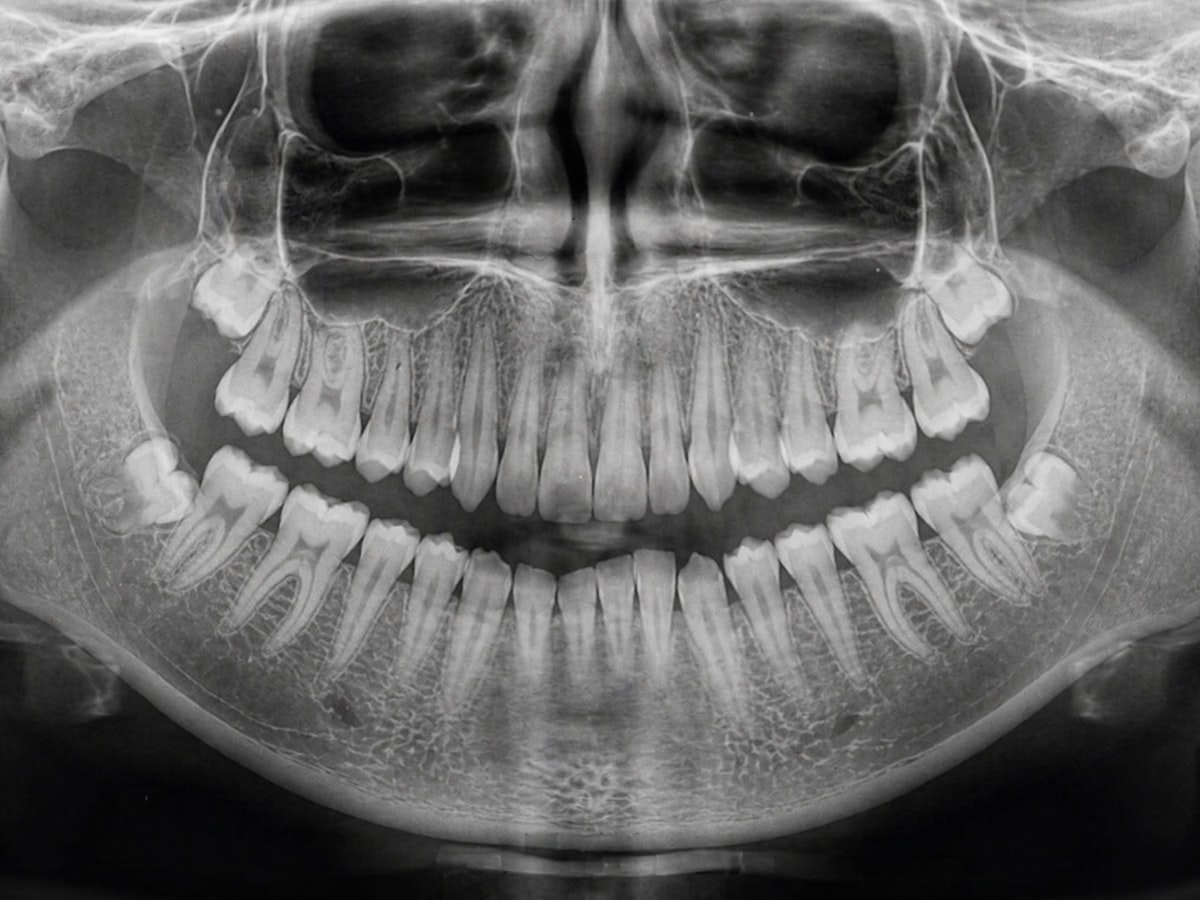
Wisdom teeth recovery is usually straightforward, but there is one complication that tends to worry patients more than almost anything else: dry socket. If you are planning Wisdom Teeth Removal Oxnard CA, or you recently had your wisdom teeth taken out and your discomfort suddenly feels worse instead of better, it helps to understand what dry socket is, what it is not, and when it deserves prompt attention.
Most people expect some swelling, soreness, stiffness in the jaw, and a rough first few days after an extraction. That part is normal. Dry socket is different. It has a pattern, a timing, and a quality of pain that experienced oral surgeons and dental teams recognize quickly. Patients often describe it as a deep, throbbing ache that seems to radiate into the ear, temple, or along the side of the face. It can feel surprisingly intense, especially when the extraction itself went smoothly.
This issue is not rare, but it is also not inevitable. A lot of the fear around dry socket comes from hearing dramatic stories from friends or reading worst-case accounts online at midnight when your mouth already hurts. The reality is more practical. Dry socket is a known postoperative risk, it is treatable, and good aftercare lowers the odds significantly.
What dry socket actually is
After a wisdom tooth is removed, your body starts healing immediately. One of the first steps is the formation of a blood clot in the empty socket where the tooth used to sit. That clot is not just a bit of dried blood. It acts like a protective cover over the underlying bone and nerve endings while new tissue grows into the area.
Dry socket, also called alveolar osteitis, happens when that clot either never forms properly, dissolves too early, or becomes dislodged before the site has had enough time to stabilize. When that happens, the bone beneath the extraction site is exposed. The result is pain, often sharp and persistent, and healing that feels much rougher than it should.
This tends to happen a few days after surgery rather than immediately. That timing matters. Right after extraction, discomfort is expected. By day two or three, many patients should be slowly improving. Dry socket often announces itself when someone thought they were turning the corner and then pain ramps up instead.
Why wisdom tooth sites are vulnerable
Dry socket can happen after many kinds of tooth extractions, but wisdom teeth are a common setting for it. Part of the reason is anatomical. Third molars sit far https://maps.app.goo.gl/3J3yp5fz8ZfBkuVj9 back in the mouth, which makes the area harder to keep clean and harder to protect from the normal forces of chewing, rinsing, tongue movement, and suction. Surgical removals can also be more involved than a simple extraction, especially if the teeth are impacted or partially erupted.
Lower wisdom teeth are generally more associated with dry socket than upper wisdom teeth. The lower jawbone is denser, blood supply patterns differ, and the sockets themselves may be more prone to this complication. That does not mean upper extractions cannot develop it, only that lower sites deserve especially careful aftercare.
In practices that handle a high volume of Wisdom Teeth Removal Oxnard CA, one theme comes up repeatedly: patients who understand the healing process ahead of time usually navigate recovery more confidently. They do not panic over normal soreness, and they recognize the warning signs that deserve a phone call.
How dry socket feels compared with normal healing
Pain after extraction exists on a spectrum, which can make self-diagnosis tricky. Many people ask the same question: “How do I know whether this is normal pain or something is wrong?”
Normal postoperative pain generally follows a downward trend. Your mouth may be most sore during the first 24 to 48 hours. Swelling often peaks around that point too. Then the discomfort starts to ease, even if slowly. Pain medicine, ice, rest, and careful eating usually help.
Dry socket tends to break that pattern. The pain may become stronger around day three to five. It can feel deep, intense, or throbbing rather than just tender. Some patients notice a bad taste or unpleasant odor from the area. Looking in the mirror, they may see an extraction site that appears empty or has a whitish, grayish, or bony look instead of a dark clot. Not every patient can see the socket clearly, especially in the far back of the mouth, so symptoms matter more than appearance alone.
The pain can also radiate in a way that surprises people. Ear pain is common. So is discomfort spreading into the jaw joint, the neck, or the side of the head. A patient might think they have a sinus problem, an ear infection, or a completely different issue, when the source is actually the healing socket.
Who is more likely to develop it
Dry socket has several recognized risk factors. None guarantee that it will happen, but they shift the odds.
- Smoking or vaping, especially in the first several days after extraction
- Using straws or creating suction in the mouth
- A history of difficult extractions, especially lower impacted wisdom teeth
- Hormonal factors, including some oral contraceptive use
- Inconsistent aftercare, such as vigorous rinsing too soon
Tobacco and nicotine deserve special mention. It is not only the chemical effect on blood flow that matters. The physical suction from inhaling can disrupt the clot. The same concern applies to straws, forceful spitting, and even repeated aggressive checking of the socket with the tongue. Patients often underestimate how much mechanical force they create in the mouth without realizing it.
There is also a practical point about age. Younger patients often heal faster overall, which is one reason many surgeons prefer removing problematic wisdom teeth before the late twenties. Still, dry socket can happen at different ages, and prevention steps matter for everyone.
What often causes confusion during recovery
One of the harder parts of recovery is that some perfectly normal healing changes can look alarming. A pale film over the socket, mild jaw stiffness, bruising, or a faint taste of blood can all happen without indicating dry socket. Food can also get trapped near the extraction area, particularly after the first few days, and that may create odor or irritation even when the clot is intact.
This is where context matters. A surgeon evaluating a socket does not rely on one detail. They look at the timing, symptom pattern, visible healing, and the patient’s overall course. Someone with manageable soreness and no worsening pain may simply need reassurance and better rinsing instructions. Someone with severe radiating pain on day four needs a closer look.
I have seen more than one patient assume they had dry socket because they noticed something white in the extraction site. In many cases, what they were seeing was part of normal healing tissue, not exposed bone. On the other hand, I have also seen patients dismiss real warning signs because they expected recovery to be painful and tried to tough it out for too long. The distinction is not always obvious at home, which is why follow-up communication matters.
The most common trigger, accidental clot loss
Patients sometimes imagine dry socket only happens because they made a major mistake. More often, it develops from ordinary actions that seem harmless at the time. Rinsing too hard after surgery is a classic example. So is using a straw because it feels easier than sipping from a glass when your mouth is numb. Smoking “just once” the evening after surgery causes more problems than many people realize.
The first 24 hours are especially important. During that window, the fresh clot is forming and stabilizing. Constant spitting, swishing, touching the site, or eating foods that break apart into small sharp fragments can interfere with that process. Later in recovery, the risk does not drop to zero right away, but the site becomes more resilient.
That is one reason dental teams repeat the same postoperative instructions so often. It is not because the advice is generic. It is because these small details have real consequences.
What to do if you think you have dry socket
If your pain is worsening several days after extraction, call the office that removed the tooth. Do not wait it out for days hoping it will suddenly improve. Dry socket is not usually dangerous in the sense of a spreading medical emergency, but it is painful and often needs direct treatment to make you more comfortable.
A dental professional may have you come in so the socket can be examined and gently cleaned. In many cases, a medicated dressing is placed in the area. That dressing can soothe exposed bone, reduce pain, and create a much more tolerable recovery. Sometimes the site needs to be rechecked and the dressing changed. Pain control recommendations may also be adjusted based on your symptoms and medical history.
Patients are often relieved by how quickly proper care can help. The healing process still takes time, but the difference in pain after treatment can be dramatic.
What not to do at home
People in pain get creative, and that is not always helpful. Packing the socket with random materials, poking at it repeatedly, or rinsing with strong homemade mixtures usually makes things worse. I have heard of patients trying clove oil directly from a grocery store bottle, pressing cotton into the site, or brushing aggressively at the extraction hole because they thought they needed to “clean it out.” None of those are wise substitutes for a professional evaluation.
Here is the safer approach when dry socket is suspected:
- Call your oral surgeon or dentist
- Keep the area clean with the instructions you were given
- Take prescribed or recommended pain medication as directed
- Avoid smoking, straws, and vigorous rinsing
- Stick to soft foods and steady hydration
That is enough for the short term. The goal is to avoid further clot disruption while getting proper treatment as soon as possible.
Preventing dry socket after wisdom teeth removal
Prevention begins before surgery. A thorough consultation should cover smoking status, medications, oral health conditions, and any past extraction problems. For patients at elevated risk, the surgeon may take added precautions and give especially detailed postoperative guidance.
Once the extraction is done, the first several days matter more than many people expect. Resting with your head elevated, biting on gauze as directed, avoiding strenuous activity early on, and eating soft foods are not just comfort measures. They support clot stability. Cool foods such as yogurt, applesauce, smoothies eaten without a straw, mashed potatoes, scrambled eggs, and lukewarm soup often work well. Crunchy chips, seeded breads, popcorn, and rice can be irritating because small particles can work their way into the healing sites.
Oral hygiene is another balancing act. You do want a clean mouth, but not a traumatized socket. Gentle brushing away from the surgical sites is important. Saltwater rinses are often started after the first day, but they should be gentle, more of a light bath than a forceful swish. That distinction alone prevents a lot of trouble.
For patients seeking Wisdom Teeth Removal Oxnard CA, it is worth choosing a provider who gives clear written aftercare instructions and has a process for postoperative questions. Dry socket is much less stressful when you know exactly whom to call and what to expect.
When pain might be something else
Not every difficult recovery is dry socket. Infection, trapped debris, muscle inflammation from a long procedure, jaw joint irritation, or a normal but slower-than-average healing pattern can all create discomfort. Fever, increasing facial swelling after the initial peak, pus, or difficulty swallowing deserve urgent attention because those signs may point toward infection or another complication rather than dry socket alone.
Numbness or tingling that lingers in the lip, chin, or tongue follows a different pathway altogether and should also be reported promptly. That issue relates more to nerve irritation than to clot loss. Patients sometimes blend all postoperative symptoms under one label, but treatment depends on the actual cause.
The good news is that an experienced dental team can usually sort this out quickly. A short exam often answers the question far better than hours of online searching.
How long dry socket lasts
Without treatment, dry socket pain may persist for several days and sometimes longer. With treatment, symptoms often ease much faster, though complete healing still takes time. The socket continues filling in gradually over a period of weeks. You may feel normal well before the site has fully remodeled.
That timeline can be frustrating for active adults who want to get back to work, school, or workouts right away. The first week requires patience. Even when recovery seems to be going well, overexertion and carelessness with food or smoking can set things back. I usually tell patients to think of this as a short phase where restraint pays off. A few careful days are easier than several extra days of preventable pain.
A practical note for Oxnard patients
Oxnard patients often ask whether local lifestyle habits affect wisdom tooth recovery. The answer is yes, mainly in ordinary ways. Busy work schedules tempt people to go back too fast. Warm weather can make hydration easier, which helps, but it also encourages iced drinks through a straw, which does not. Social smoking, cannabis use, and vaping are frequently underreported before surgery, yet they matter quite a bit for dry socket risk. Honest communication with your surgical team is more useful than trying to seem like the “easy” patient.
If you are arranging Wisdom Teeth Removal Oxnard CA, plan for recovery like it matters, because it does. Fill any prescriptions in advance, stock soft foods, clear your schedule for the first couple of days, and ask questions before the procedure rather than after you are tired and numb. That simple preparation changes the whole tone of the experience.
The reassuring part people need to hear
Dry socket is painful, but it is manageable. It does not mean your surgery failed. It does not automatically mean infection. It usually means the site lost its protective clot earlier than intended and needs attention. Once treated, most patients feel a noticeable sense of relief and can move forward with healing.
The bigger lesson is that wisdom tooth recovery is not passive. Good healing depends on a few basic habits carried out consistently: protecting the clot, keeping the mouth gently clean, avoiding suction and nicotine, and calling the office if the pain pattern shifts in the wrong direction. Those steps sound simple because they are, but they are also the difference between an uneventful week and a miserable one.
For anyone facing wisdom tooth extraction, understanding dry socket ahead of time removes a lot of unnecessary fear. You do not need to obsess over every sensation. You only need to know the normal pattern, respect the aftercare instructions, and speak up if your recovery suddenly gets worse. That is the most reliable way to protect your comfort and your healing.
Oxnard Dentistry
1730 E Gonzales Rd
Oxnard, CA 93036, United States
Phone: +1 805-307-8731
FAQ About Wisdom Teeth Removal Oxnard CA
How much does it cost to get wisdom teeth removed in California?
Fees depend on tooth position, the number of extractions, imaging and anesthesia. Oxnard Dentistry can provide an individual estimate after examining your teeth. Ask for an itemized plan and confirm insurance benefits before scheduling.
Will insurance cover wisdom teeth removal?
Coverage and out-of-pocket costs vary by policy and the treatment required. Ask the dental office and your insurer to verify benefits, annual limits and any authorization requirements. A benefit estimate does not guarantee payment.
Is 30 too old to have wisdom teeth removed?
Age alone does not determine whether extraction is appropriate. A dentist evaluates symptoms, tooth position, oral health and medical history. Healthy, functional wisdom teeth may be monitored; teeth causing disease or other problems may need treatment.